Chi tiết bài viết
# Specialty coffee story
Distinguish between Robusta and Arabica coffee
22/08/2024 03:52:56
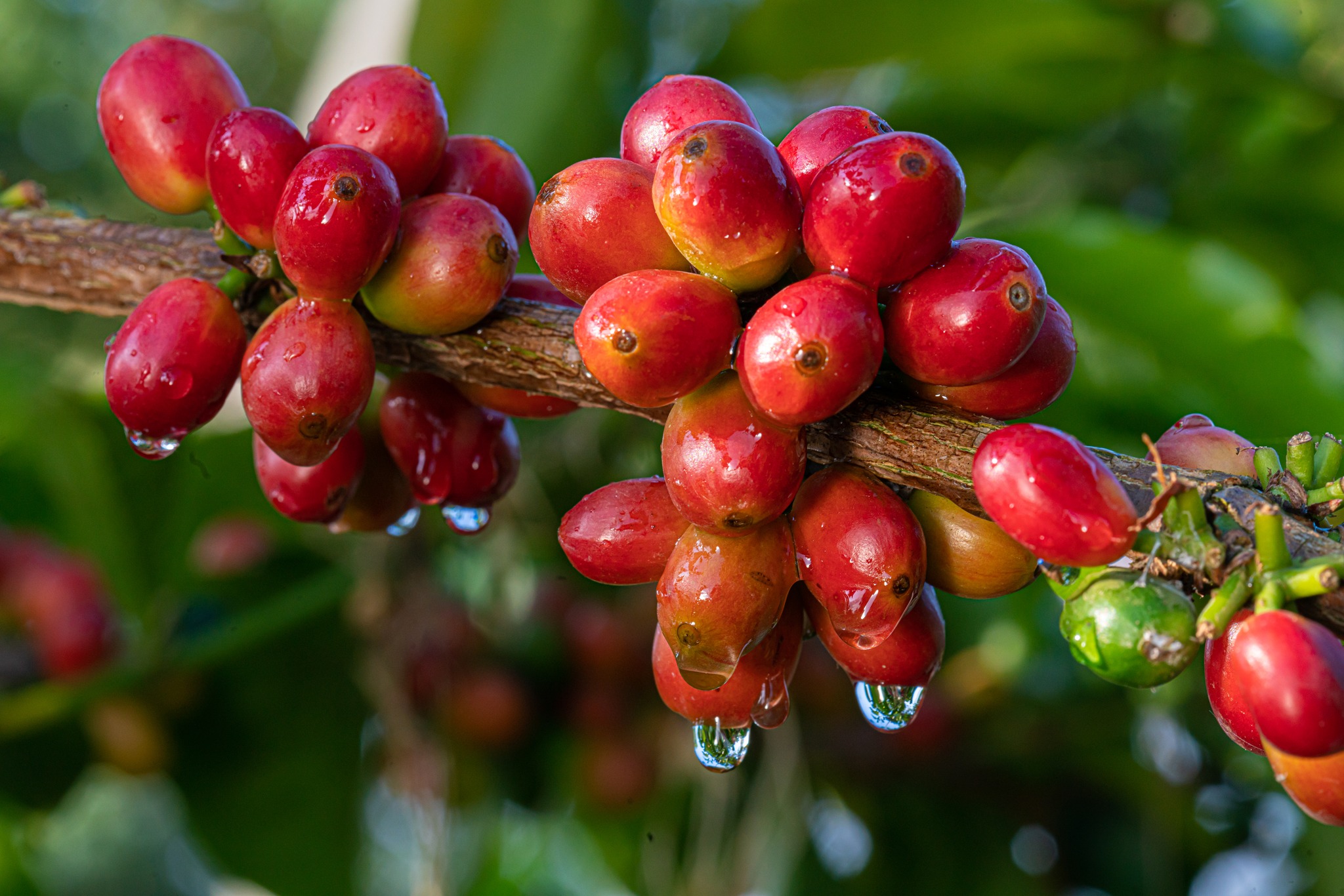
Coffee - a favorite drink around the world, always contains secrets and diversity. Each type of coffee has its own story, from the growing method to the roasting method, creating a unique cup of coffee with a distinct flavor. In the coffee world, the two most popular coffee tree varieties, Robusta and Arabica, are often mentioned, each with its own unique characteristics, attracting different audiences. In this article, Highland Tropico Coffee will help you better understand the difference between Robusta and Arabica coffee, from origin, characteristics, flavor to applications in coffee processing.
I. Origin and distribution
The origins of coffee can be traced through many historical and cultural traces. Arabica coffee is believed to have originated in the Ethiopian highlands, where it was discovered by local shepherds. From Ethiopia, Arabica was introduced to Yemen and quickly became an indispensable part of the cultural life of this region. Farmers in Yemen began growing and processing Arabica coffee, making it famous around the world.
Meanwhile, Robusta coffee originates from the jungle regions of West Africa, near the Congo River. Robusta is more drought resistant, easy to grow and less prone to pests, so it is popular in many coffee growing countries such as Vietnam, Indonesia, Brazil and the Philippines. Robusta's strong growth has made it the top choice for commercial coffee products.
1. Distribution characteristics
When looking at the world map, it can be seen that Arabica coffee predominates in cool climates and high altitudes, while Robusta grows well in tropical and subtropical areas. Arabica is commonly grown in countries such as Colombia, Ethiopia, and Brazil, where conditions are ideal for its growth. In contrast, Robusta is often grown in Vietnam, Indonesia, and some parts of Africa.
This distribution not only affects the development of each coffee variety but also affects the quality and flavor of the final product. Famous coffee growing regions often have distinct ways of caring for and harvesting, contributing to creating interesting characteristics for each type of coffee.
2. Challenges in growing coffee
Growing coffee is not an easy job; it requires a lot of care and patience. With Arabica coffee, farmers need to pay attention to climatic conditions, altitude and soil condition. On the contrary, although Robusta is easier to grow, it still faces challenges with weather and pests. This has caused many farmers to choose Robusta as a safer solution, especially in recent years when the climate is increasingly changing.
In short, the difference in origin and distribution between Robusta and Arabica coffee has created diversity not only in the field of cultivation but also in people's coffee enjoyment experience.
II. Growth characteristics and living environment
Growth characteristics are the deciding factor in the health and quality of coffee plants. Arabica coffee usually prefers cool climates, high humidity, and sufficient rainfall. They grow best at altitudes between 600 meters and 2,000 meters above sea level, with average temperatures ranging from 15 degrees Celsius to 24 degrees Celsius. This helps produce high-quality coffee beans with a refined flavor. international.
1. Land requirements
Arabica coffee needs soil that is rich in nutrients, well-drained, and has a pH of 6 to 6.5. Mildly acidic soils are often very suitable for Arabica growth. Controlling soil moisture and nutrients is also important to ensure healthy plant growth.
Meanwhile, Robusta coffee is more flexible in adapting to the living environment. They can grow in a variety of soils, from basalt to sandy, as long as the soil has good drainage. Robusta's tolerance to harsh weather conditions also helps them survive and thrive even in dry seasons.
2. Drought tolerance
Robusta is superior to Arabica in terms of drought tolerance. This makes them an ideal choice for hot or dry climates. Robusta can grow at lower altitudes, from 200 meters to 800 meters, and can withstand temperatures up to 30 degrees Celsius. This versatility has helped Robusta become one of the most popular coffee cultivars. around the world, especially in Vietnam.
In fact, the development of these two types of coffee depends heavily on the natural conditions and farming methods of each growing region. Farmers often have to monitor weather, pests and other environmental factors to ensure coffee plants grow well and produce high yields.
In short, differences in growth characteristics and living environments create unique features for Robusta and Arabica coffee, thereby affecting the quality and flavor of the product.
III. Coffee bean characteristics and processing process
The coffee bean is the heart of a cup of coffee, and the differences in the structure and composition of Robusta and Arabica beans contribute greatly to the flavor and quality of the coffee.
1. Particle shape and size
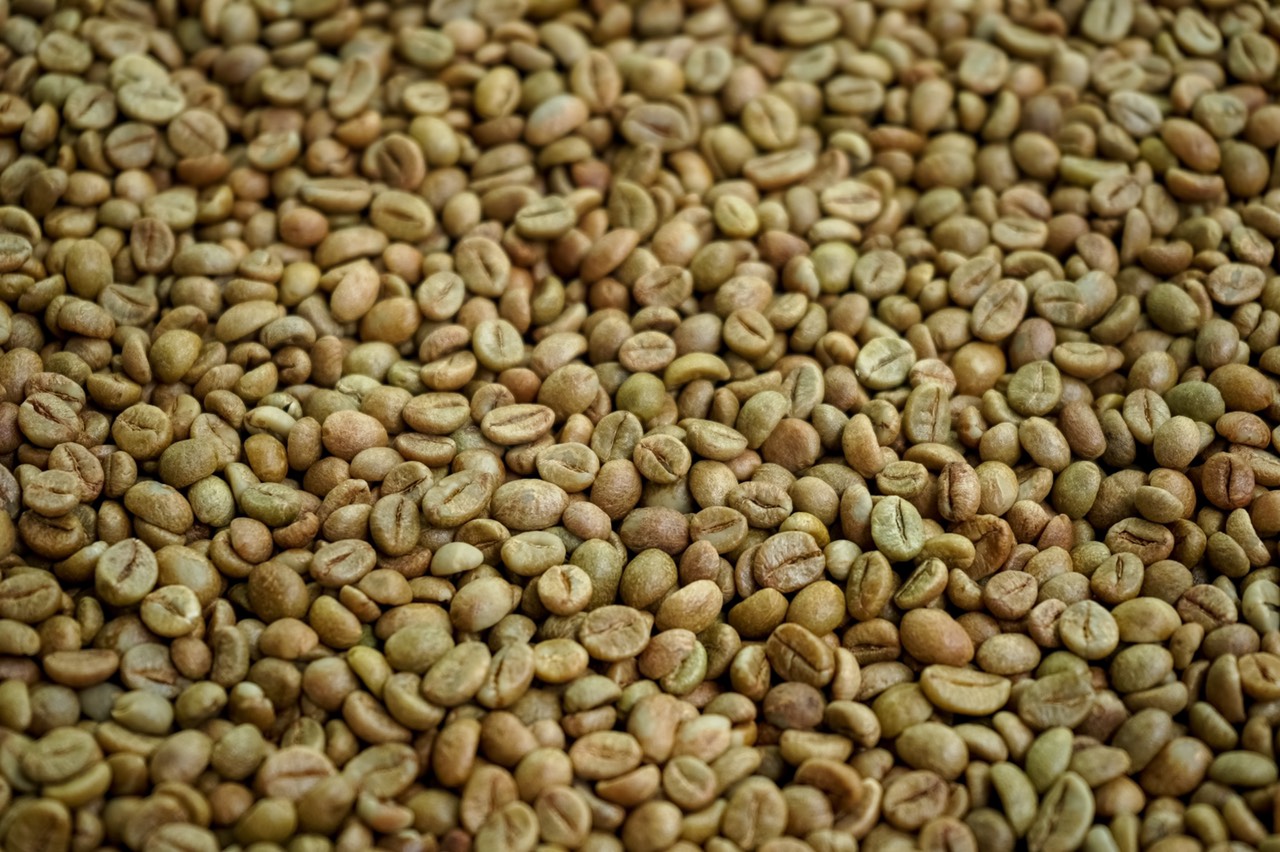
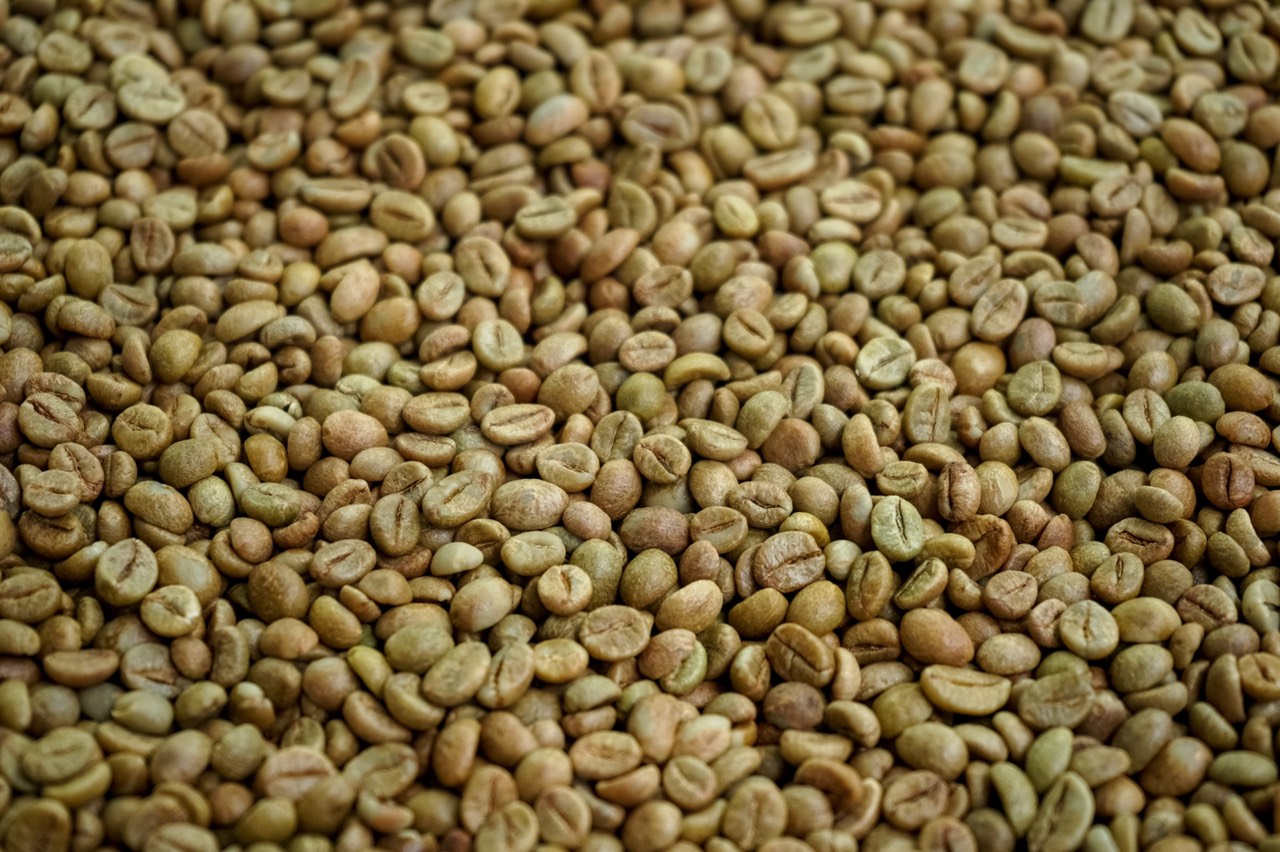
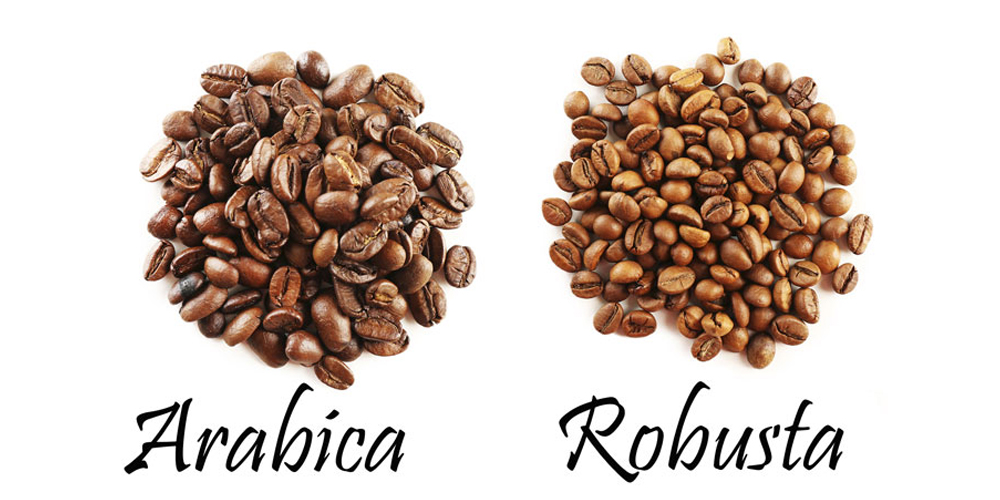
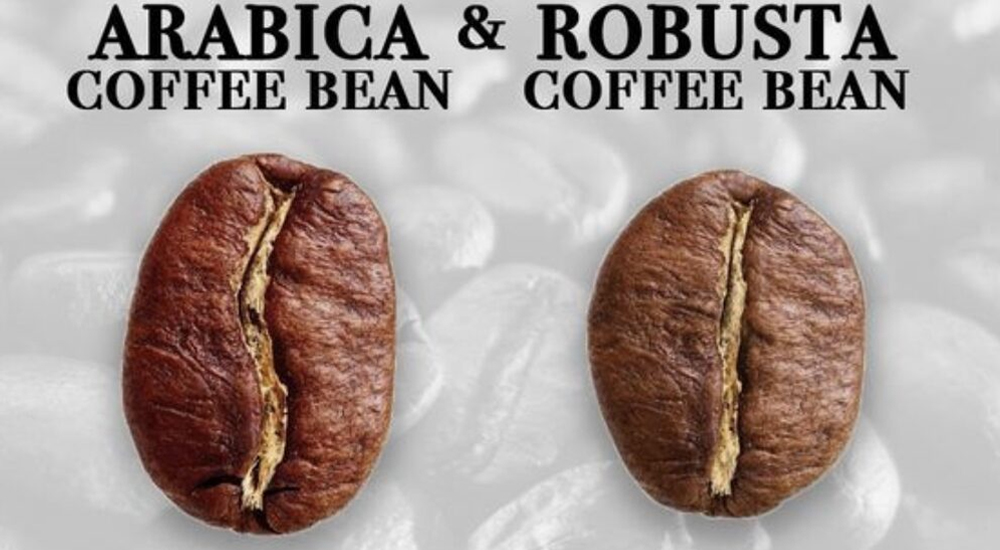
Arabica coffee beans are usually oval, round and smaller in size than Robusta beans. When looking at Arabica beans, you can see that the color is green when fresh, and turns dark brown when roasted. It is worth noting that Arabica beans have a lower caffeine content than Robusta, only about 1.5% of the bean's weight.
In contrast, Robusta coffee beans are round, larger in size and the umbilicus is often more convex. The color of Robusta beans when fresh is dark green and turns light brown when roasted. Robusta seeds have a higher caffeine content, about 2.5% of the seed weight, bringing a feeling of alertness and refreshment.
2. Processing process
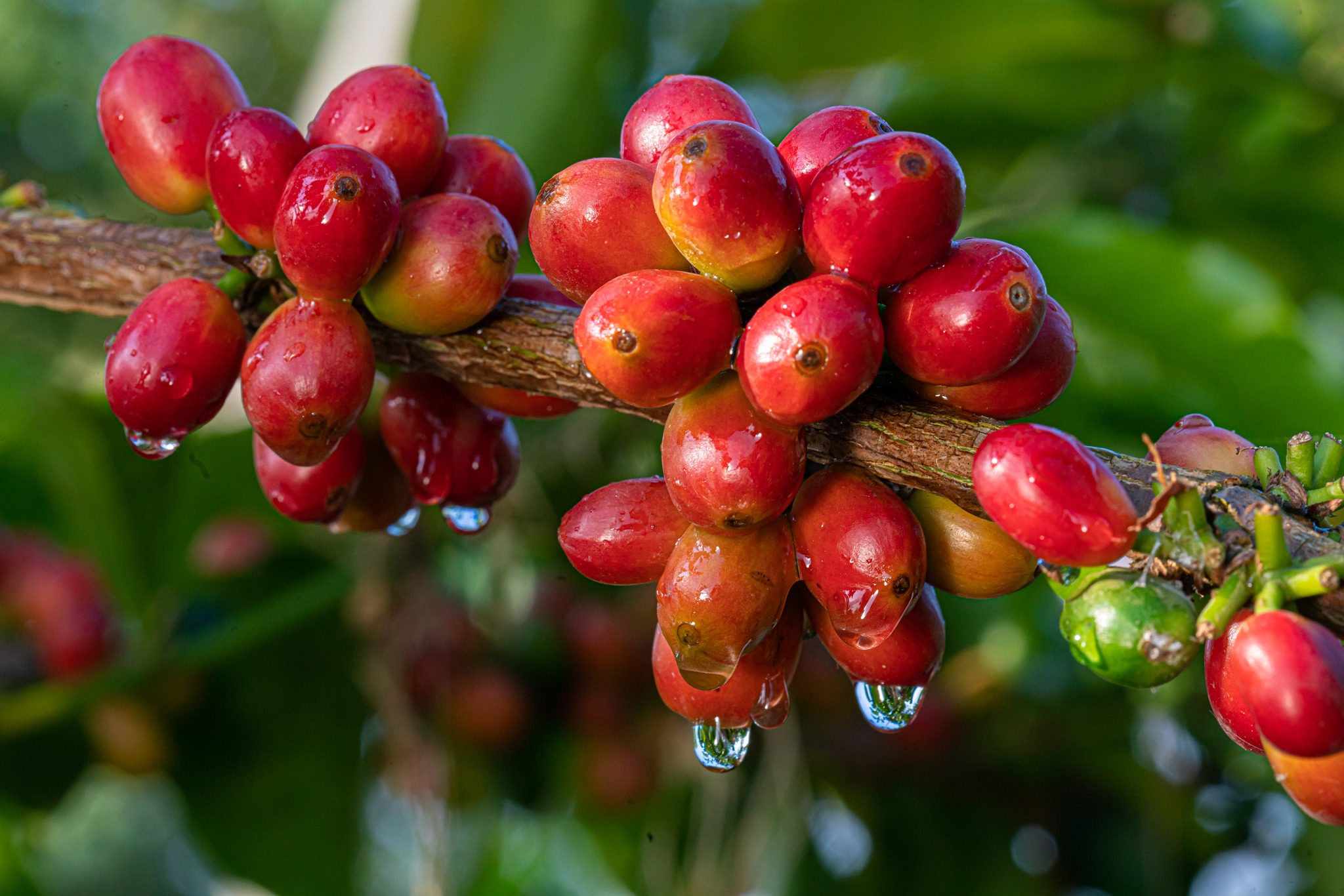
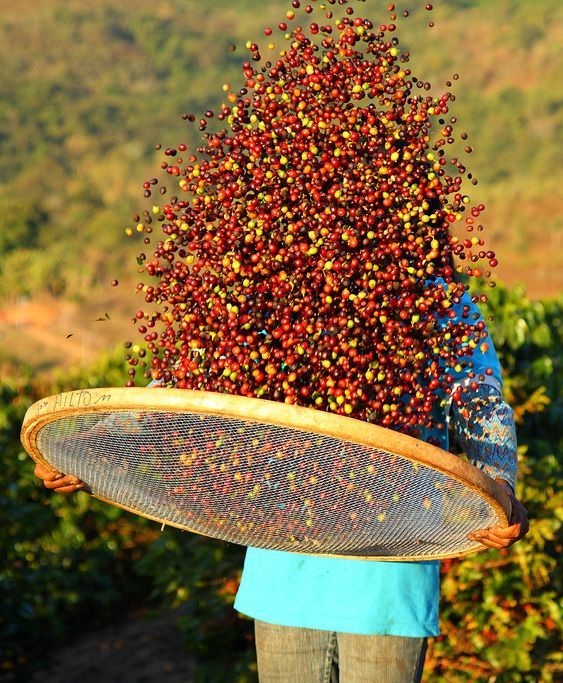
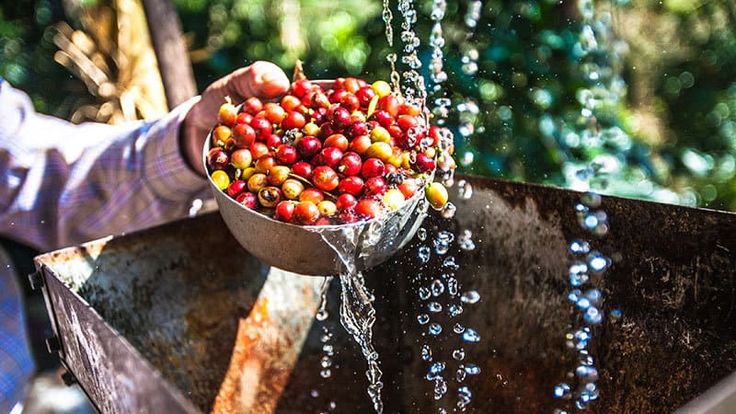
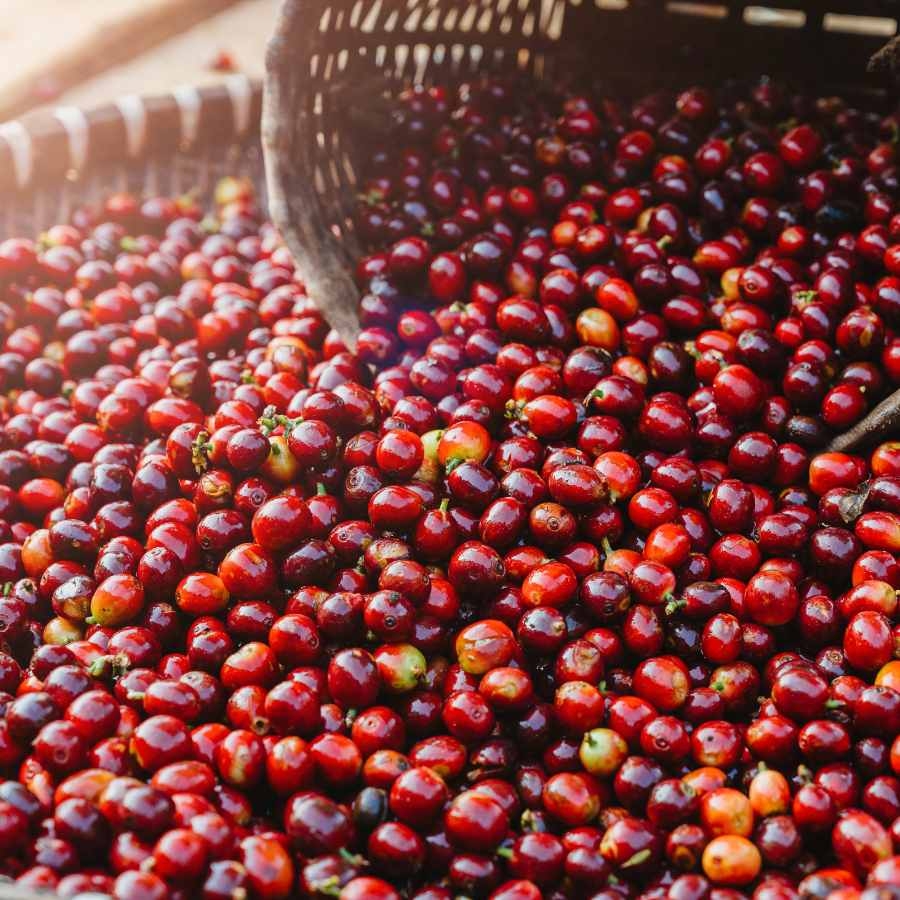
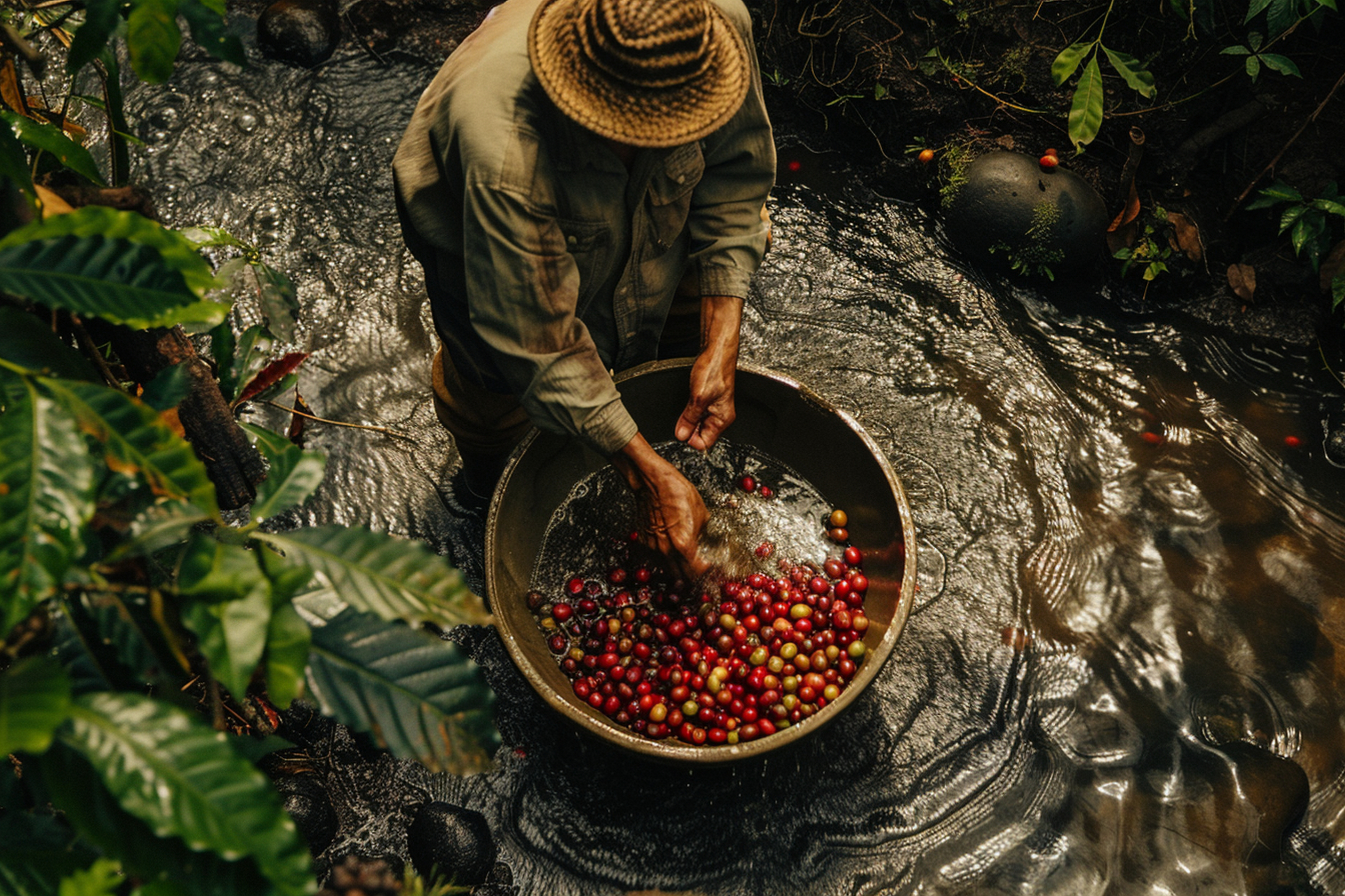
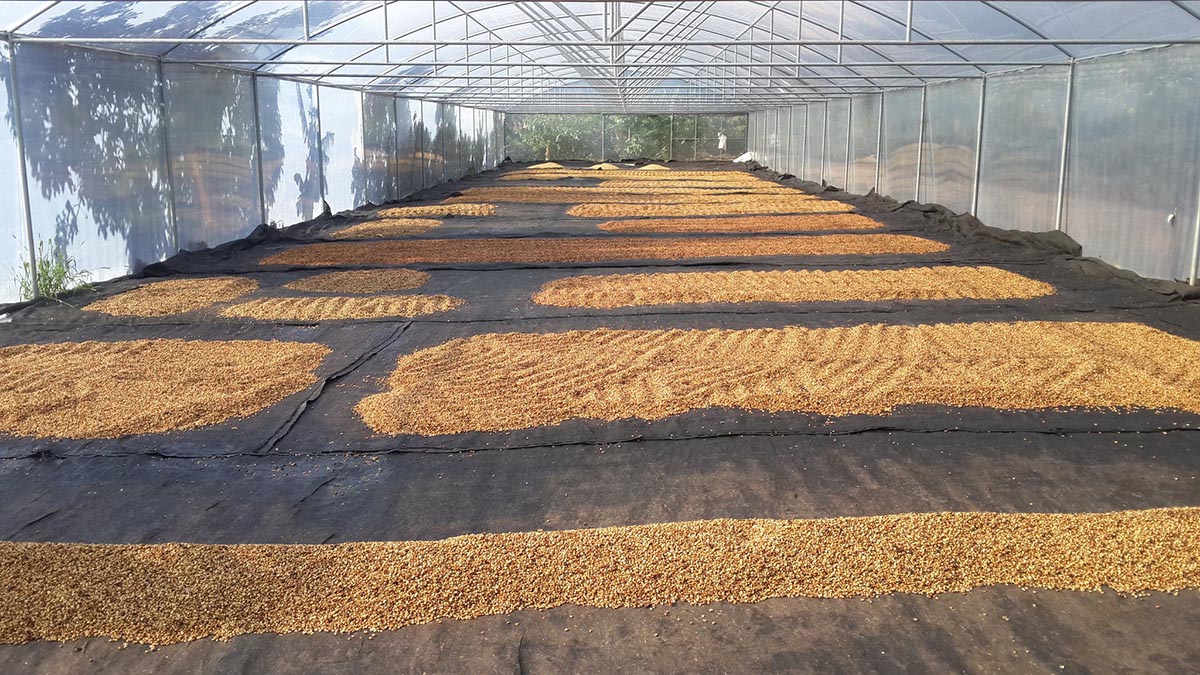
The coffee processing process plays an important role in influencing the final flavor of a cup of coffee. Arabica coffee is often processed using the wet method, which helps retain the delicate flavor and cleanliness of the coffee beans. After harvesting, Arabica coffee cherries will be soaked and washed to remove the pulp, then dried and roasted.
Meanwhile, Robusta coffee is often processed using dry or semi-wet methods, which helps maintain the richness and earthy taste of the coffee beans. This process is simpler and less expensive, so Robusta is often popular in the instant and ready-to-drink coffee industry.
3. Affects coffee quality
Coffee quality depends not only on the plant variety but also on the processing process. Coffee roasting is also an important step, because it determines the flavor and color of the coffee. Arabica beans are typically roasted at lower temperatures, creating a mild and delicious flavor, while Robusta beans are typically roasted at higher temperatures to create a rich and robust flavor.
Ultimately, differences in coffee bean characteristics and processing processes create unique coffee experiences for each person.
IV. Flavor and characteristics of Robusta and Arabica coffee
One of the most enjoyable things about enjoying coffee is the taste. Coffee flavor not only reflects the plant variety but is also influenced by growing, processing and roasting conditions.
1. Flavor of Arabica coffee
Arabica coffee is highly appreciated for its delicate, gentle, and delicious flavor. Arabica usually has a mild sour taste, a sweet aftertaste, and a complex aroma with many notes such as fruit, chocolate, caramel, and nuts. It is the richness of flavor that makes Arabica the top choice for specialty coffee lovers.
Arabica is widely used in filter coffees, espresso and other specialty coffees. The flavor of Arabica can vary depending on the growing region and processing method, which creates diversity in the enjoyment experience.
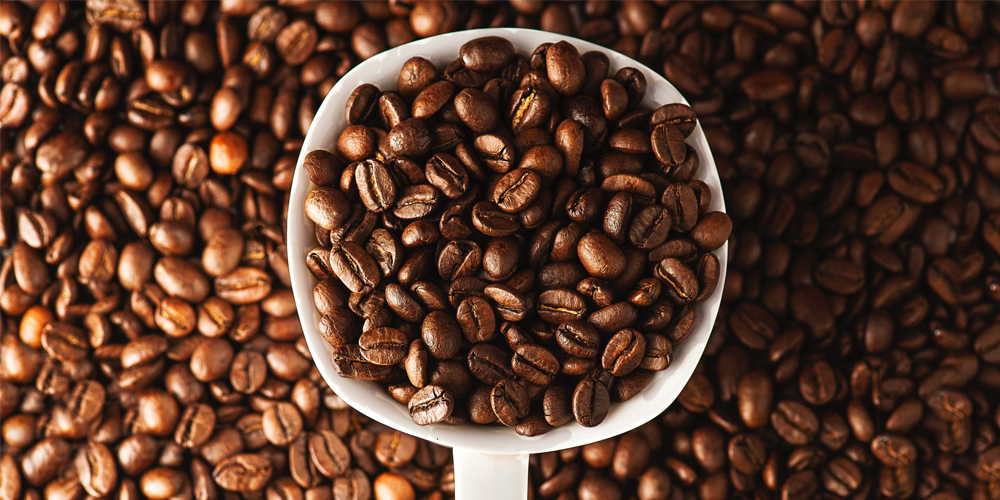
2. Taste of Robusta coffee
Robusta coffee has a rich, strong, slightly bitter and earthy flavor. High caffeine content gives a feeling of alertness and refreshment. Robusta is often mixed in high proportions in instant and ready-to-drink coffees, due to its low cost and strong flavor.
Although Robusta is not as well known as Arabica in professional coffee circles, the prominence of its strong flavor has helped Robusta dominate the commercial coffee market. Many people who love strong coffee often choose Robusta to enjoy the strong feeling it brings.
3. Compare the taste between Robusta and Arabica
The difference between the flavors of Robusta and Arabica lies mainly in strength and sophistication. Robusta tends to bring a stronger feeling, while Arabica has more sophistication and richness in notes. Each type of coffee creates a different experience for the person enjoying it, and the choice between these two types of coffee will depend on each person's personal preferences.
When enjoying coffee, the way of preparation also plays an important role in highlighting the flavor of each type of coffee. Different brewing methods can make a big difference in the coffee experience. With Arabica, methods such as filter brewing, using an espresso machine or pour-over are often popular, while Robusta is often used in instant or ready-to-brew coffee.
Conclusion
Robusta and Arabica coffee are both popular coffee varieties and bring unique experiences to drinkers. Robusta has a rich, strong taste, suitable for those who love caffeine and strong flavors. Meanwhile, Arabica has a delicate and diverse flavor, suitable for those who love delicious coffee, with a sweet aroma and aftertaste. The choice between these two types of coffee depends entirely on personal preference and intended use. Whether you are a lover of rich coffee or delicate coffee, the two kings of the coffee world will bring you wonderful experiences and satisfy your taste.
Tìm kiếm
Kho ảnh của chúng tôi
TÌM KIẾM
Tìm kiếm
Bài viết liên quan